• ANN ONLINE LEARNING SITE

    Biochemistry courses provide deep understanding of the chemical processes in living organisms, covering biomolecules, metabolism, enzyme kinetics, and molecular biology, with options for online learning and certification.
    Key Topics Covered
    Biochemistry courses typically explore:
    • Structure and function of biomoleculesproteins, lipids, carbohydrates, and nucleic acids.
    • Metabolic pathways and bioenergeticsglycolysis, citric acid cycle, oxidative phosphorylation, and lipid metabolism.
    • Enzyme kinetics and regulationmechanisms, inhibition, and cofactor roles.
    • Molecular biology principlesDNA replication, RNA synthesis, protein synthesis, and signal transduction.

    Image result for bio chemistry courseImage result for bio chemistry course

Available courses

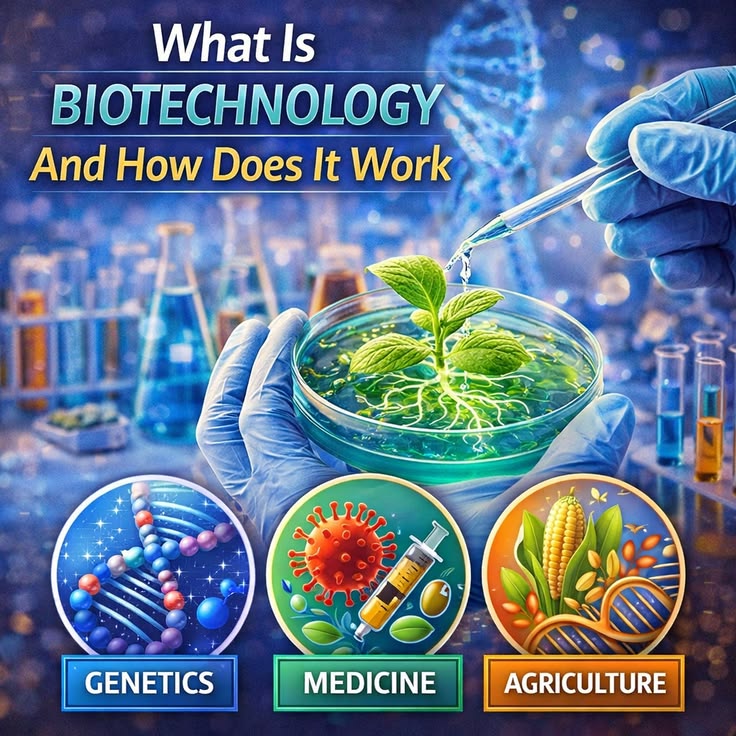
Fundamentals of Biotechnology introduces trainees to the principles, techniques, and applications of biotechnology in modern science and industry. The course explores the use of living organisms, cells, and biological systems in the development of products and technologies used in medicine, agriculture, environmental management, food production, and industrial processes.
Trainees will gain foundational knowledge in genetic engineering, recombinant DNA technology, microbial biotechnology, fermentation processes, tissue culture, and bioethics. The course also develops practical laboratory competencies in handling biological materials, applying basic molecular biology techniques, observing biosafety procedures, and interpreting biotechnological data.
Emphasis is placed on the relevance of biotechnology in solving real-world challenges such as disease control, food security, environmental conservation, and industrial innovation. Upon completion, trainees will be able to explain core biotechnology concepts, perform basic biotechnological procedures, and appreciate ethical and regulatory considerations in biotechnology applications.

Fundamentals of Biotechnology is a unit that introduces how biological systems are used to create useful products and technologies. It explains the basic principles behind manipulating cells, DNA, enzymes, and microorganisms to solve problems in medicine, agriculture, industry, and environmental management.
The unit covers core concepts such as genetic engineering (altering genetic material to change traits), molecular biology techniques like DNA extraction and PCR, cell culture methods, and the role of bioinformatics in analyzing biological data. It also explores ethical, safety, and regulatory issues that arise when applying biotechnology.

This course explores enzymes as the biological catalysts that drive cellular processes. Learners examine enzyme structure, catalytic mechanisms, kinetics, regulation, and their roles in metabolic pathways. The course connects foundational biochemical theory with practical applications in medicine, research, and biotechnology.
Key topics include enzyme classification, active site dynamics, factors affecting enzyme activity, inhibition models, allosteric regulation, and modern techniques used to study enzymes. Students also analyze how enzyme dysfunction contributes to disease and how enzymes are exploited in diagnostics, drug design, and industrial processes.